
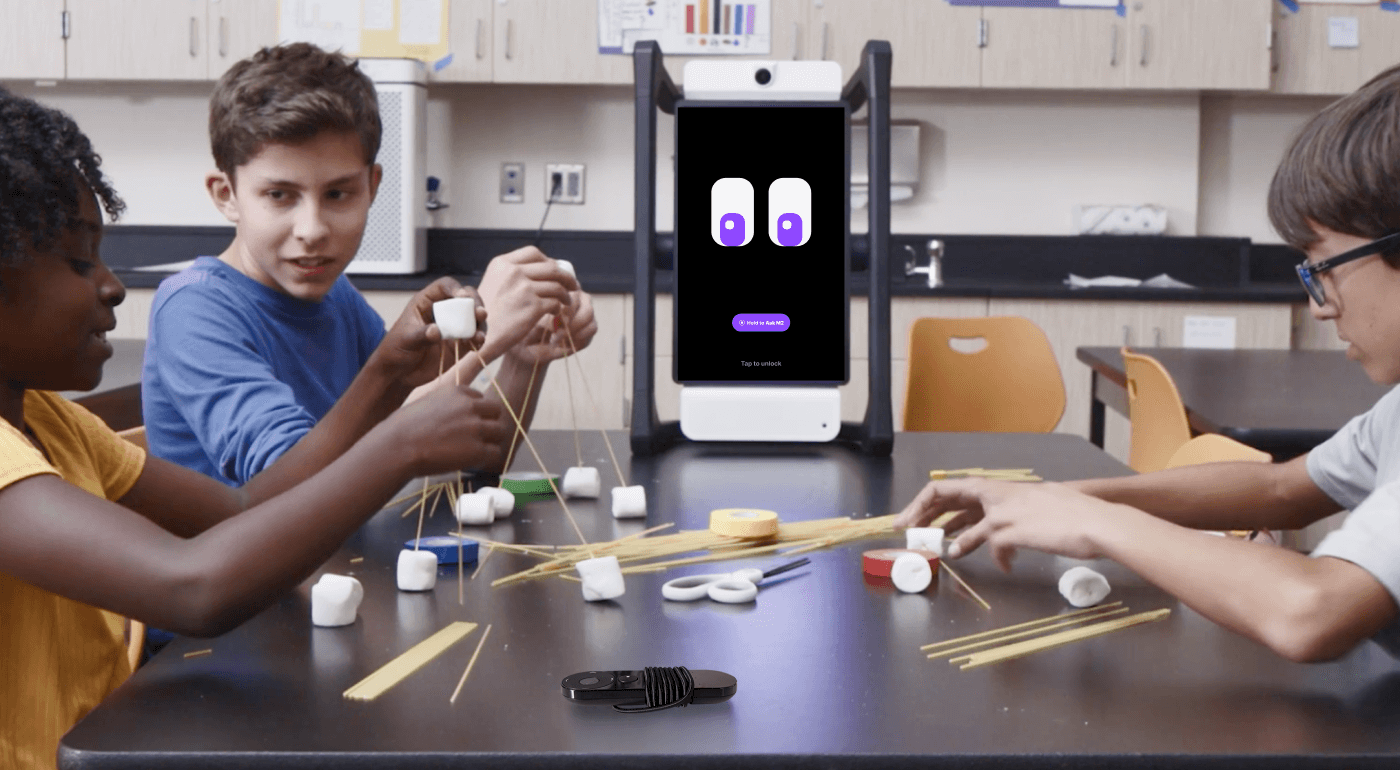
There are over 5 million English Language Learners (ELL) in U.S. public schools, and they face a challenge most of their peers don’t: learning English and academic content at the same time.
This creates a serious assessment problem. When an ELL student struggles in math, is it a math problem or a language problem? If a student stops participating, are they disengaged or simply unable to follow along? Without the right tools, it’s nearly impossible to tell.
The result: many ELL students end up in Tier 2 and Tier 3 MTSS interventions when what they actually need is better language support. Schools consume intervention resources on the wrong problem while the real need is treated as secondary.
Considering the scale of the ELL population, the stakes to this challenge are real. Performance on language proficiency assessments like TELPAS and WIDA ACCESS influences funding, program placement, and how schools allocate resources. Schools need a way to support both language learning and academic learning at the same time without adding more to teachers’ plates.
M2 supports the whole learner, not just the language learner
M2, Swivl’s AI-integrated classroom robot, listens during instruction and turns what’s happening in the classroom into meaningful support for both teachers and students.
Through translation, speaking practice, small group learning, and more, M2 supports ELL students across both aspects of their learning journey: English and academics.
Keep kids connected to academic content
In-ear language support
With M2’s in-ear audio support, ELL students receive immediate translated summaries of instruction, delivered privately through an earbud without interrupting class. Students grab their assigned M2 remote, plug in an earbud, and tap to hear a brief recap of recent instruction in their home language.
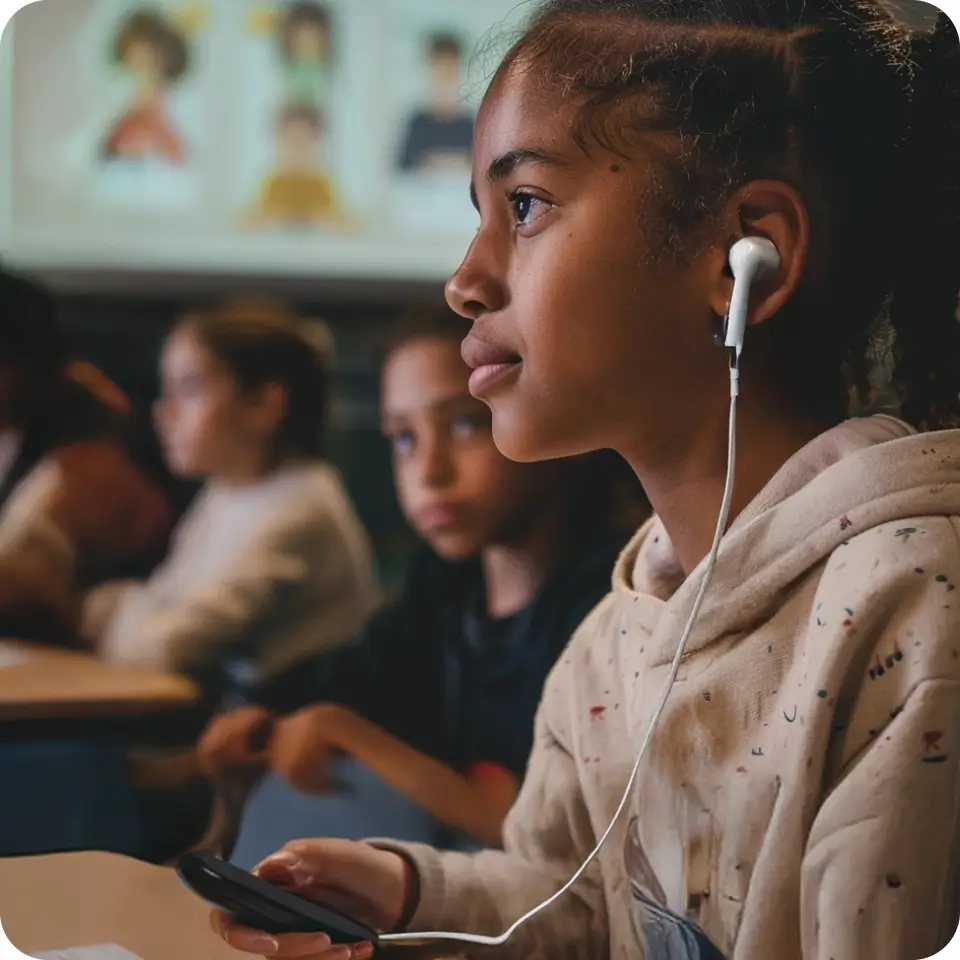
This keeps students connected to the content of their daily lessons while they continue developing proficiency in English. They can follow along, participate, and build comprehension all while their English skills grow through immersion.
Out loud translations and summaries
The Ask M2 feature allows teachers and students to request summaries or translations of class content at any moment. Then, those responses are played aloud in high-quality audio for the whole group.
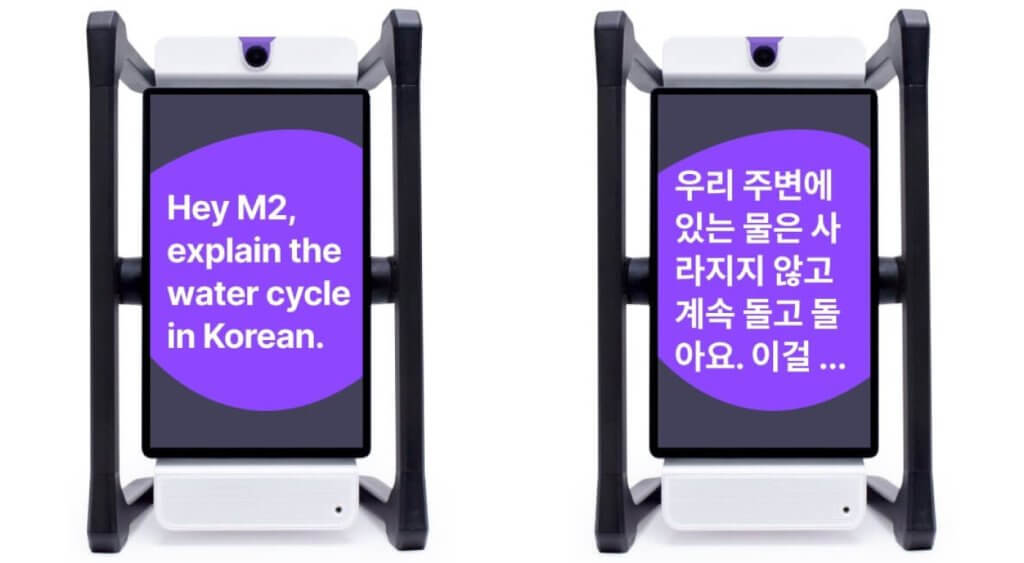
This means students can get the clarification they need to keep following the day’s lesson, and teachers can offer immediate language support without needing to speak the student’s native language themselves.
Offer more reps to build communication skills
Proficiency assessments like TELPAS are so challenging because speaking and writing are the hardest domains to develop. Students need to practice communicating, not just listening and reading. M2 creates natural opportunities for that practice.
Adaptive, standards-aligned speaking activities
Talks are M2’s adaptive, standards-aligned verbal assessments that let students process learning in their home language or practice expressing ideas in English.
Imagine having the time to assess every multilingual or Tier 2 and 3 student’s learning in a one to one conversation after any lesson. That’s what Talks can do.

After each Talk, the teacher gets a concise yet informative report on students’ understanding of the standards, skills, and/or content related to the assignment, helping teachers understand what students actually know, not just what they can express in English.
Guided small group learning with language and content support
Guides are small group learning activities that M2 can generate live during class or that teachers can pre-plan for the day’s lesson.
M2 speaks aloud to share each step of a Guide to students, and is available to translate or answer student questions about the content or the activity during the experience.
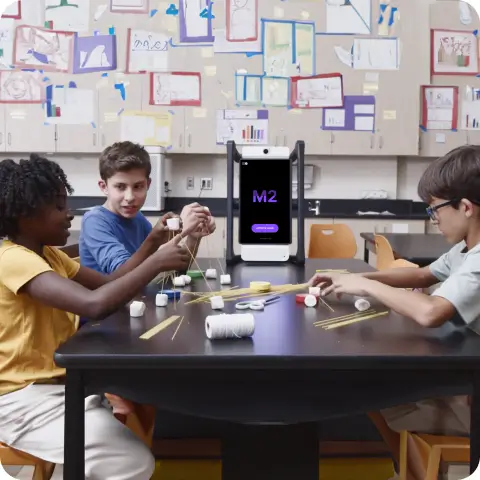
Unlike traditional group work that can lack structure and scaffolds, Guides ensure students progress through a learning activity at the appropriate pace and with the support they need, both for language and academics.
When ELL students are paired with native English speakers for a Guide, there is an additional benefit of academic conversation practice in a low-stakes setting.
Use leading indicators to provide proactive support
Traditional MTSS relies on assessment data that often arrives too late. By the time test scores reveal a student is struggling, weeks or months have passed.
M2 changes the equation by providing leading indicators that can help educators flag potential issues before they become entrenched problems.
Data-driven grouping and differentiation
M2 enables smarter targeted support through grouping students by today’s needs rather than weeks or months-old assessment data. Teachers get a tier-based breakdown after the class completes a Talk.
Admin dashboards for empowered decisions
M2’s admin dashboard offers leaders an organization-wide look into student learning trends and a snapshot of progress on initiatives that affect special student populations.
Importantly, the admin dashboard gives leaders insights without sharing classroom transcripts nor identifying individual students or teachers.
Shape teacher feedback at the org level
When you devote resources to ELL support and MTSS, providing ongoing feedback to support implementation is essential but time-consuming. M2 offers two powerful ways for leaders to scale the strategies and priorities that help ensure everyone in the organization is moving in the same direction.
The system prompt allows admins to provide high-level guard rails, look-fors, and directions for all teacher feedback, making each M2 a classroom champion for your organization values and goals.
Custom rubrics enable automated, low-stakes teacher feedback and scoring on how daily instruction aligns with your initiatives. Simply upload a document or add the rubric criteria that matter to you, and M2 begins providing feedback and scores focused on that area after every class session.
Real impact in real classrooms
Schools using M2 are already seeing the difference in their ELL populations:
“Our multilingual students feel empowered when M2 responds in their native language, making them feel seen and valued.” – Erika Inka, Instructional Coach, Barrington School District 220
“Students see M2 as a helpful friend, especially those learning English who can now engage more easily.” – Meagan MacDonald, Instructional Coach, Barrington School District 220
When students feel included and supported, everything changes. Participation increases. Confidence grows. Academic performance improves. And schools see better outcomes on the assessments that matter—not through test prep, but through genuine learning.
Better outcomes and smart resource management
Supporting ELL students effectively is the right thing to do and the smartest choice for leaders with a focus on resource management. With the right tools in place, schools can position themselves to:
- Reduce the number of students who need intensive Tier 2 and Tier 3 interventions
- Allocate MTSS resources more strategically
- Improve school performance ratings as student outcomes rise
- See gains on assessments like TELPAS and WIDA ACCESS—along with the funding tied to those scores
M2 gives schools a path toward proactive, integrated support that addresses the whole student, not just the language learner.